
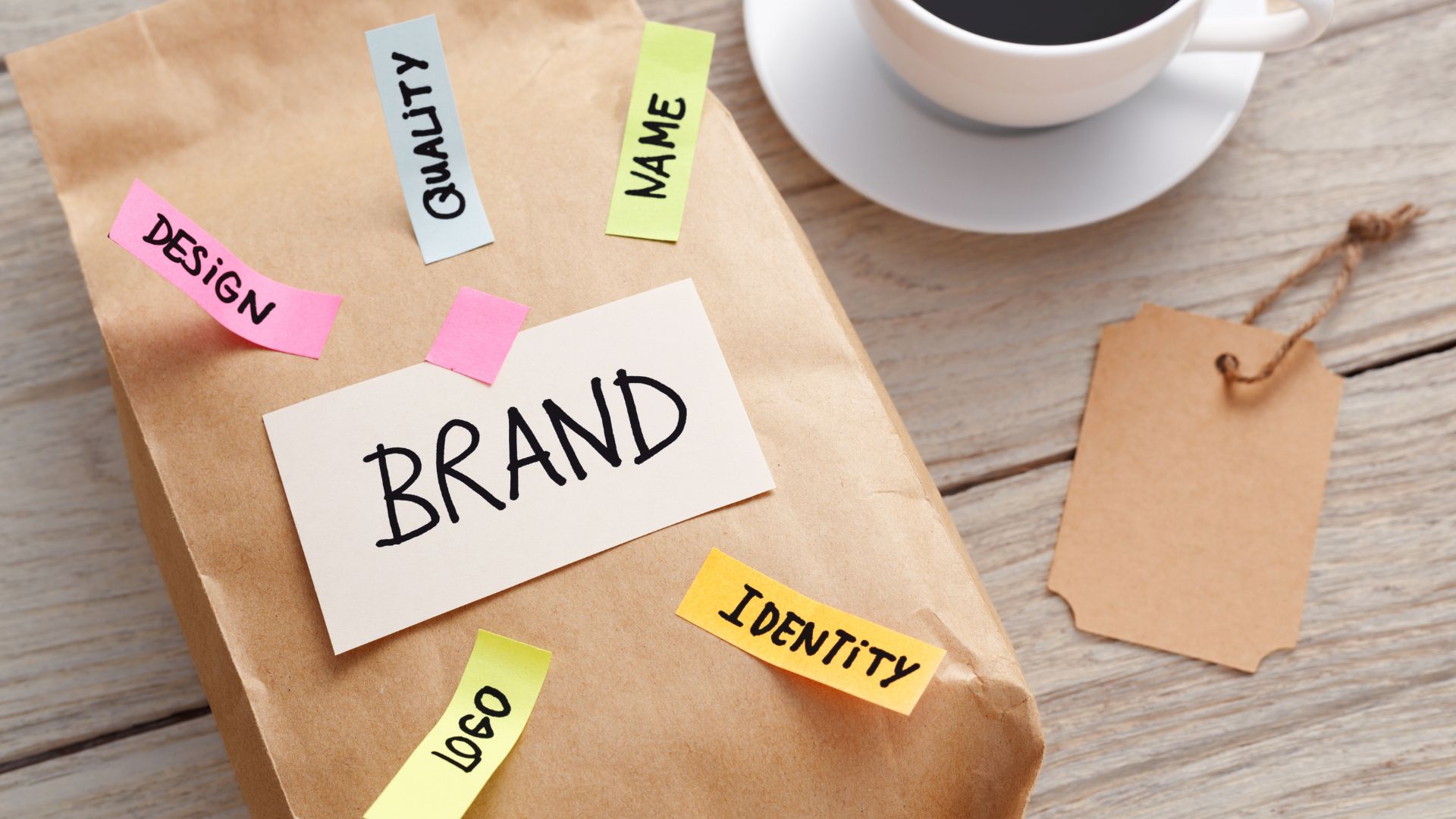
Imagine if every time your team sent out an email, posted on social media, or designed a flyer, your brand looked and sounded completely different. Confusing, right? That’s what happens when businesses grow without clear brand guidelines.
A brand playbook (sometimes called brand guidelines) is the secret weapon that keeps everything consistent—your look, your voice, your personality—so no matter who’s representing your brand, it feels seamless and trustworthy.
The best part? You don’t have to be a big corporation to need one. Small businesses, startups, and growing brands can benefit even more from having a playbook in place.
Why a Brand Playbook Matters
- Consistency builds trust. When customers recognize you instantly, they’re more likely to stick around.
- Saves time and energy. Instead of reinventing the wheel, your team (or contractors) has clear guidelines to follow.
- Keeps your brand scalable. As you grow, you won’t lose the essence of what makes you you.
Think of it like a recipe book—once it’s written down, anyone can make the dish taste the same every time.
What to Include in a Brand Playbook
Here’s a simple structure you can follow:
1. Brand Story & Mission
Why do you exist? What problem are you solving? A short, clear mission statement makes it easy for everyone to stay aligned.
2. Core Values
What do you stand for? Values guide how your brand makes decisions and interacts with people.
3. Logo Guidelines
How to use (and not use) your logo. Include versions for light and dark backgrounds, spacing rules, and minimum sizes.
4. Color Palette
List your primary and secondary colors with HEX or RGB codes. This keeps your visuals consistent across all platforms.
5. Typography
Which fonts to use for headings, body text, and accents. This detail is small but powerful for brand recognition.
6. Tone of Voice
How should your brand sound? Playful? Professional? Encouraging? Include do’s and don’ts for common scenarios (e.g., customer support vs. marketing).
7. Imagery & Graphics
Show examples of photos, illustrations, or icons that fit your brand’s personality.
8. Applications
Real-world examples: website mockups, social media posts, or ads that show how all the elements come together.
Real-Life Example
Imagine a local coffee shop that prides itself on community vibes. Their playbook might include:
- Warm, earthy color palette (browns, creams, soft greens)
- Casual, friendly tone of voice: “Hey neighbor, your latte’s ready!”
- Photography featuring people gathering, not just product shots
Now, every Instagram post, menu design, or flyer feels like the same cozy neighborhood brand.
Final Thoughts
A brand playbook isn’t just a design manual—it’s your brand’s DNA written down. It makes sure your story, style, and message come through clearly whether it’s you, your intern, or a future partner representing your brand.
Start simple. Even a 3-page document covering your mission, colors, and tone of voice is a powerful first step. Over time, you can grow it into a full playbook that evolves with your brand.
Because at the end of the day, consistency isn’t boring—it’s what makes your brand unforgettable.