
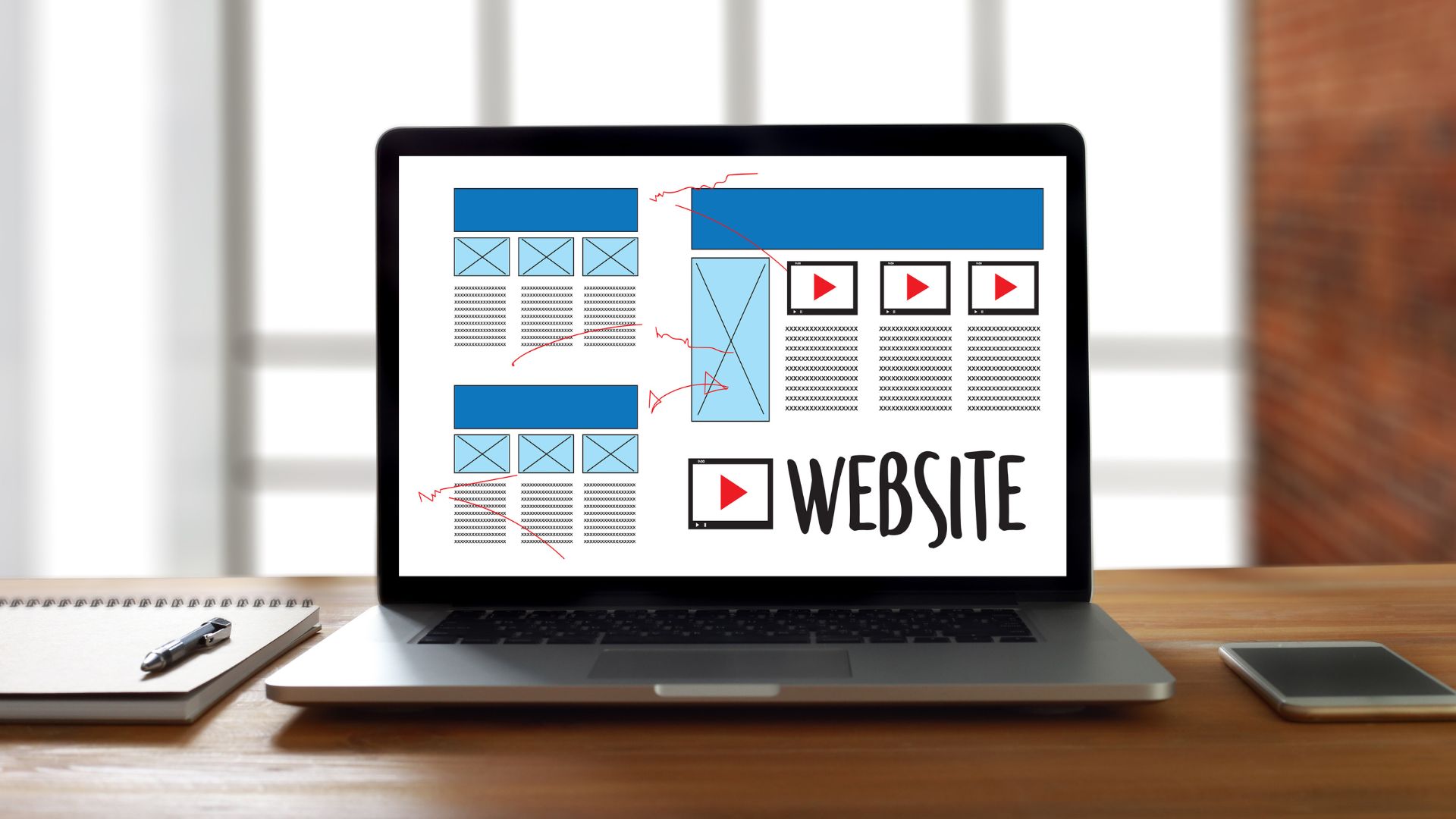
Let’s be honest — your homepage is kind of a big deal.
It’s the digital front door of your business. Whether someone found you through a Google search, a social media post, or a recommendation from a friend, chances are they’re landing here first. So what kind of first impression is your homepage making?
The truth is, beautiful design alone isn’t enough. Your homepage should convert — meaning it should guide your visitors to take meaningful next steps, like contacting you, signing up, booking a call, or exploring your services.
Let’s break down what makes a homepage not just good, but high-converting.
1. A Clear, Compelling Headline (That Speaks to Your Audience)
You’ve got 3–5 seconds. That’s how long it takes for a visitor to decide whether they’ll stay or bounce. Your headline needs to tell them exactly what you do, who you help, and why it matters — without sounding robotic.
Example:
“Custom Websites for Small Businesses That Want to Grow”
vs.
“Welcome to Our Homepage”
Pro tip: Write like a human. Your audience should feel seen, not confused.
2. A Strong Subheading That Adds Context
Your subheading is your supporting act. Use it to expand on your headline with a little more detail or a quick value proposition.
Example:
“We help small businesses build websites that convert visitors into customers — without the tech overwhelm.”
3. A Primary Call-to-Action (CTA) That Stands Out
Don’t make your visitors guess what to do next. Your main CTA should be clear, visible, and action-oriented — and it should appear early on.
“Schedule a Free Consultation”
“See Our Work”
“Start Your Project”
Place this CTA above the fold (the part of the site visible without scrolling) and repeat it strategically throughout the page.
4. Simple Navigation
Don’t overwhelm people with too many choices. A clean, focused nav menu helps users find what they need without friction.
Stick to the essentials:
- Home
- About
- Services
- Portfolio or Work
- Contact
And maybe a blog link if content is a big part of your strategy.
5. Visual Hierarchy That Guides the Eye
Good design isn’t just about aesthetics — it’s about function. Your homepage should guide visitors through a clear journey using visual hierarchy:
- Big, bold headlines
- Clear section breaks
- Contrast between text and background
- Buttons that stand out
Think of it like a well-organized shelf — easy to skim, with the most important things front and center.
6. Trust Signals That Build Confidence
People want to know they’re in good hands. Add social proof and credibility boosters like:
- Client logos
- Testimonials or reviews
- Case studies or project highlights
- Certifications or partnerships
- Media features or awards
You don’t have to brag — just show that real people trust and love your work.
7. Brief Overview of Your Services or Value
People shouldn’t have to dig through three pages to know what you do. Use short blurbs or icons to highlight your core offerings.
- Keep it clear and benefit-focused
- Link to deeper service pages for more info
This section helps your audience self-identify: “Ah, yes. This is what I’m looking for.”
8. A Bit of Personality
People don’t connect with generic. They connect with you. Sprinkle in a bit of your brand voice, a photo of your team, or a warm welcome message to make your homepage feel human.
Your goal isn’t just conversion — it’s connection.
9. Mobile Optimization
Over half of your visitors are likely viewing your site on their phones. If your homepage doesn’t look good or load fast on mobile, you’re losing them.
- Make sure CTAs are easy to tap
- Text should be legible on small screens
- Images should be responsive and quick to load
Test your site regularly on both mobile and desktop.
10. Footer with Next Steps
Your footer is valuable real estate. Use it for:
- Secondary CTAs (like a newsletter signup)
- Quick links
- Contact info
- Social media buttons
- A brief value statement
It’s your last chance to guide your visitor toward action — make it count.
Final Thoughts: Design with Purpose
At the end of the day, a high-converting homepage isn’t about being flashy or trendy — it’s about being intentional. Every section should have a purpose. Every word should guide. Every design element should serve the visitor.
Your homepage should say:
“Welcome. We see you. And we’re here to help.”
If your current homepage isn’t doing that yet, it’s okay. You don’t have to redesign the whole thing overnight — just start with small tweaks that align your layout, message, and user journey.
Want expert eyes on your homepage? Kujenga helps small businesses create websites that connect, convert, and grow. Let’s chat!